

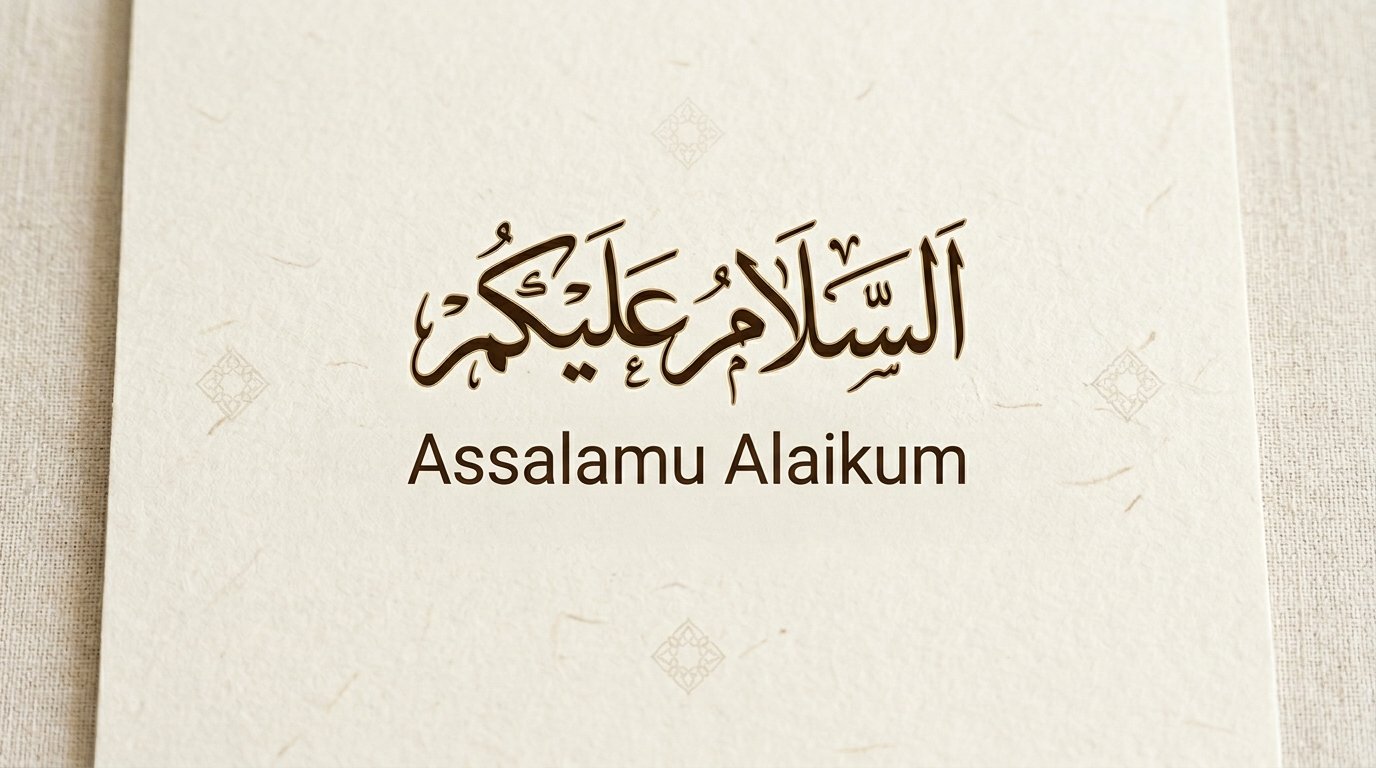
Language has a remarkable way of connecting people, and few greetings carry as much warmth and meaning as Salemalecum. Often written in different forms such as Salam Alaikum, Salamalekum, or As-Salaam-Alaikum, this beautiful phrase has become recognized around the world as a universal expression of peace, respect, and goodwill.
While spellings may vary, the essence remains the same. Salemalecum is rooted in a tradition that values kindness, community, and meaningful human connection. It is more than a greeting—it is a heartfelt wish for peace and well-being.
What Does Salemalecum Mean?
Salemalecum is an informal transliteration of the Arabic greeting As-Salaam-Alaikum (السلام عليكم). The phrase translates to “Peace be upon you.”
This greeting is composed of two key Arabic elements:
- As-Salaam – meaning peace, safety, and harmony
- Alaikum – meaning upon you
Together, they create a greeting that conveys sincere wishes for peace, security, and blessings. It is one of the most widely used salutations in Muslim communities and beyond.
The Deep Roots of the Greeting
Originating from the Arabic language, As-Salaam-Alaikum holds both cultural and spiritual significance. In Islamic tradition, it is a greeting that reflects values of compassion, unity, and mutual respect.
The word Salaam comes from the Arabic root S-L-M, which is associated with peace, wholeness, and well-being. This same linguistic root is also connected to the word Islam, highlighting the central importance of peace in Islamic teachings.
Why Are There Different Spellings?
You may encounter several variations of this greeting, including:
- Salemalecum
- Salam Alaikum
- Salamalekum
- Salam Aleikum
- As-Salaam-Alaikum
These differences arise because Arabic uses a distinct script and sound system. When transliterated into the Latin alphabet, pronunciation and spelling naturally adapt to regional accents, languages, and personal preferences.
Despite these variations, all forms represent the same respectful and meaningful greeting.
Salemalecum in Islamic Tradition
In Islam, greetings are more than social formalities. They are expressions of goodwill and blessings. Saying Salemalecum reflects a desire for peace, mercy, and prosperity for the person being addressed.
The greeting is deeply rooted in Islamic teachings and is mentioned in both the Qur’an and the Hadith, the recorded sayings and actions of the Prophet Muhammad. It serves as a reminder of the importance of kindness, humility, and community.
The Proper Response
The traditional response to Salemalecum is:
Wa-Alaikum-Salaam – meaning “And peace be upon you.”
Many people also extend the greeting further by saying:
Wa Rahmatullahi wa Barakatuh – meaning “And the mercy and blessings of God be upon you.”
This exchange creates a beautiful cycle of peace, respect, and mutual goodwill.
A Greeting That Crosses Cultures
Although Salemalecum is strongly associated with Muslim culture, its message resonates universally. It is used across the Middle East, South Asia, North Africa, Europe, the United States, and countless communities worldwide.
People from many backgrounds recognize and appreciate the greeting as a symbol of hospitality, warmth, and cultural respect. In multicultural societies, it often serves as a bridge between traditions and communities.
Salemalecum in the Digital Age
Modern communication has helped spread this greeting even further. On social media, messaging apps, and online forums, people frequently use shorter or simplified versions such as:
- Salam
- Salam Alaikum
- Salemalecum
These adaptations reflect the evolving nature of language in digital spaces while preserving the greeting’s original spirit. Whether spoken, typed, or shared online, its meaning remains timeless.
Cultural Importance Around the World
In many cultures, Salemalecum is more than a phrase—it is an important part of everyday life. It can:
- Strengthen social bonds
- Show respect for others
- Foster a sense of belonging
- Promote harmony and goodwill
- Reflect shared cultural values
Its continued use highlights the enduring importance of respectful communication in building stronger communities.
Common Misunderstandings
Because Salemalecum appears in many spellings, some people may wonder whether each version has a different meaning. In reality, they all refer to the same traditional greeting.
The variations simply reflect differences in pronunciation, transliteration, and regional language influences. What matters most is the intention behind the words: a sincere wish for peace.
Why Salemalecum Still Matters Today
In an increasingly connected world, greetings like Salemalecum remind us of the power of language to unite people. It embodies values that transcend borders, cultures, and religions.
By offering peace, respect, and kindness in just a few words, Salemalecum continues to inspire meaningful interactions across the globe.
Final Thoughts
Salemalecum is a timeless expression of peace, goodwill, and human connection. Whether written as Salemalecum, Salam Alaikum, or As-Salaam-Alaikum, its message remains beautifully consistent.
It is a greeting that celebrates harmony, honors tradition, and fosters understanding among people everywhere. In every language and every community, the spirit of Salemalecum continues to shine as a powerful reminder that peace begins with a simple greeting.
