

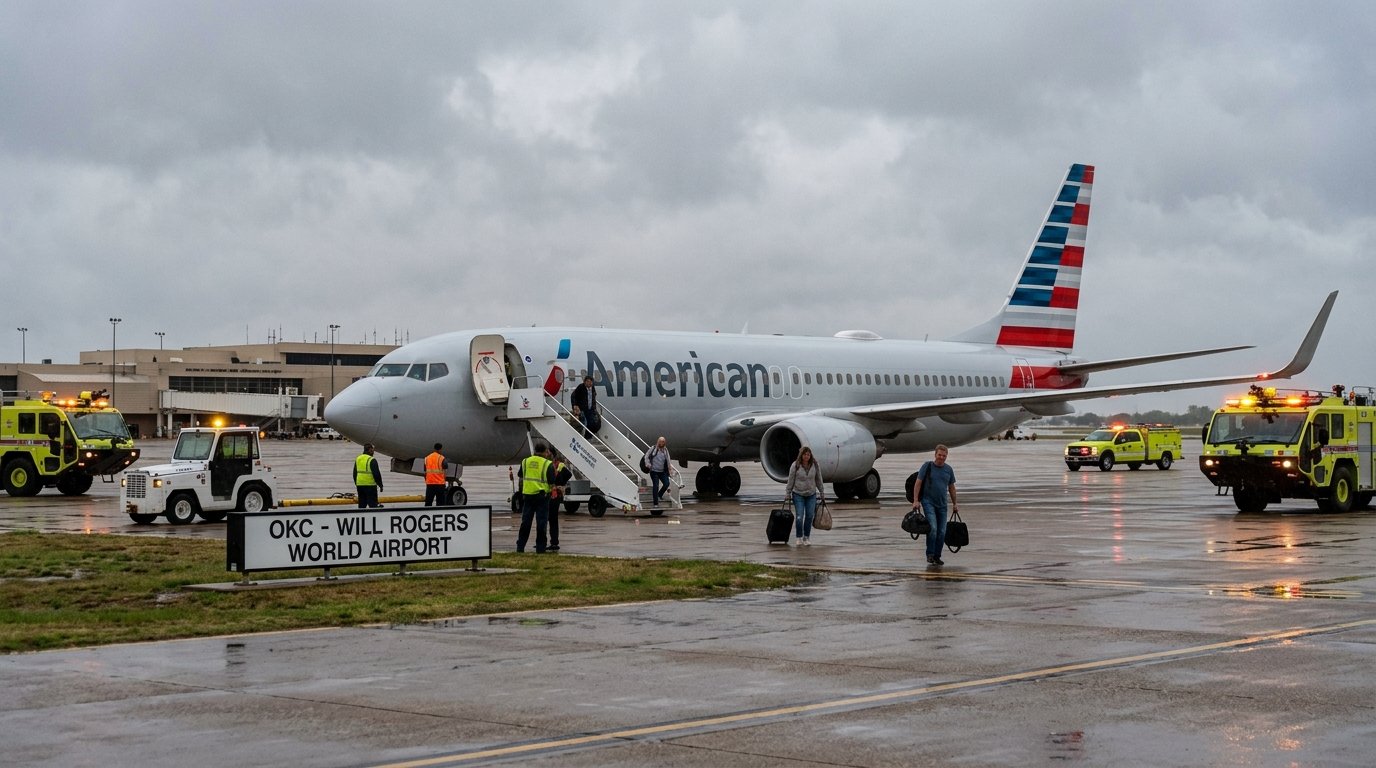
Air travel is built on precision, planning, and safety but sometimes even the most carefully scheduled journeys take an unexpected turn. That’s exactly what happens during an American Airlines flight diverted situation, where a plane is forced to land at an alternate airport instead of its original destination.
For passengers, this can feel sudden and confusing. For the airline and crew, it’s a controlled safety decision made within seconds. Understanding why these diversions happen and how they are managed helps make sense of what’s really going on behind the scenes in modern aviation.
What Does It Mean When an American Airlines Flight Is Diverted?
A flight diversion simply means an aircraft does not land at its planned destination. Instead, it is redirected to a different airport during the journey.
For example, an American Airlines aircraft flying toward a major hub like Dallas/Fort Worth International Airport or John F. Kennedy International Airport may land at a nearby airport if conditions require it.
Diversions are not rare in aviation. They are part of standard safety procedures designed to protect passengers, crew, and aircraft.
Common Reasons Behind American Airlines Flight Diversions
There are several reasons why an American Airlines flight diverted scenario may occur. In most cases, the decision is preventive rather than reactive.
Some of the most common causes include:
- Sudden weather changes such as storms or heavy turbulence
- Medical emergencies involving passengers or crew
- Technical or mechanical alerts in aircraft systems
- Air traffic congestion at the destination airport
- Security-related concerns
- Fuel planning adjustments during long routes
Each decision is made jointly by pilots and airline operations teams, ensuring the safest possible outcome for everyone onboard.
How Pilots Decide to Divert a Flight
When a diversion is needed, pilots immediately coordinate with air traffic control and airline dispatch centers. Modern aircraft constantly transmit data to ground systems, allowing real-time monitoring.
If a problem arises, the crew evaluates:
- Distance to alternate airports
- Weather conditions along the route
- Aircraft fuel levels
- Severity of the issue
- Passenger safety considerations
Once a decision is made, the aircraft is rerouted to a suitable airport, often within minutes.
Major hubs like Chicago O’Hare International Airport or nearby regional airports often serve as diversion points depending on the flight path.
What Happens to Passengers During a Diversion?
For passengers, a diversion can feel unexpected, but airlines follow structured procedures to manage the situation smoothly.
Once the aircraft lands, passengers may experience:
- Waiting on board while the aircraft is inspected
- Temporary deboarding at the diversion airport
- Rebooking onto another flight
- Hotel arrangements if delays extend overnight
- Updated travel instructions from airline staff
Ground teams from American Airlines usually coordinate quickly to minimize inconvenience and arrange onward travel as efficiently as possible.
Role of Technology in Flight Diversions
Modern aviation relies heavily on live tracking and communication systems. Platforms like FlightAware and FlightRadar24 allow airlines, airports, and passengers to monitor flights in real time.
When an American Airlines flight is diverted, these systems show:
- Route changes
- New landing airports
- Aircraft altitude and speed updates
- Estimated arrival changes
This transparency helps passengers stay informed even before official airline updates are released.
Passenger Rights After a Flight Diversion
Passenger rights depend on the route, airline policy, and cause of diversion.
In general, travelers may receive:
- Meal vouchers during long delays
- Hotel accommodation if overnight stay is required
- Rebooking on the next available flight
- Refund or travel credit in certain cases
Since American Airlines operates globally, its policies align with international aviation standards, ensuring passengers receive assistance when disruptions occur.
Why Flight Diversions Are Actually a Good Sign
Although inconvenient, a diversion is usually a sign that aviation safety systems are working exactly as intended. Pilots are trained to prioritize safety over schedule, no matter how small the issue may seem.
Even minor alerts such as sensor warnings or weather changes—can lead to a precautionary landing. This proactive approach prevents risks before they develop into serious problems.
How Often Do American Airlines Flights Get Diverted?
Diversions are relatively rare compared to the total number of flights operated daily. However, with thousands of flights in the air at any moment, occasional rerouting is expected in global aviation.
Factors like seasonal weather patterns, airport congestion, and long-haul operations can slightly increase diversion chances on certain routes.
Final Thoughts
An American Airlines flight diverted situation may feel stressful in the moment, but it is always guided by one priority safety. Whether landing at Chicago O’Hare International Airport or another nearby airport, every diversion is carefully managed by pilots, controllers, and airline teams.
While it may disrupt travel plans, it also highlights the strength of modern aviation systems and the strict safety culture that keeps millions of passengers secure every day.
