

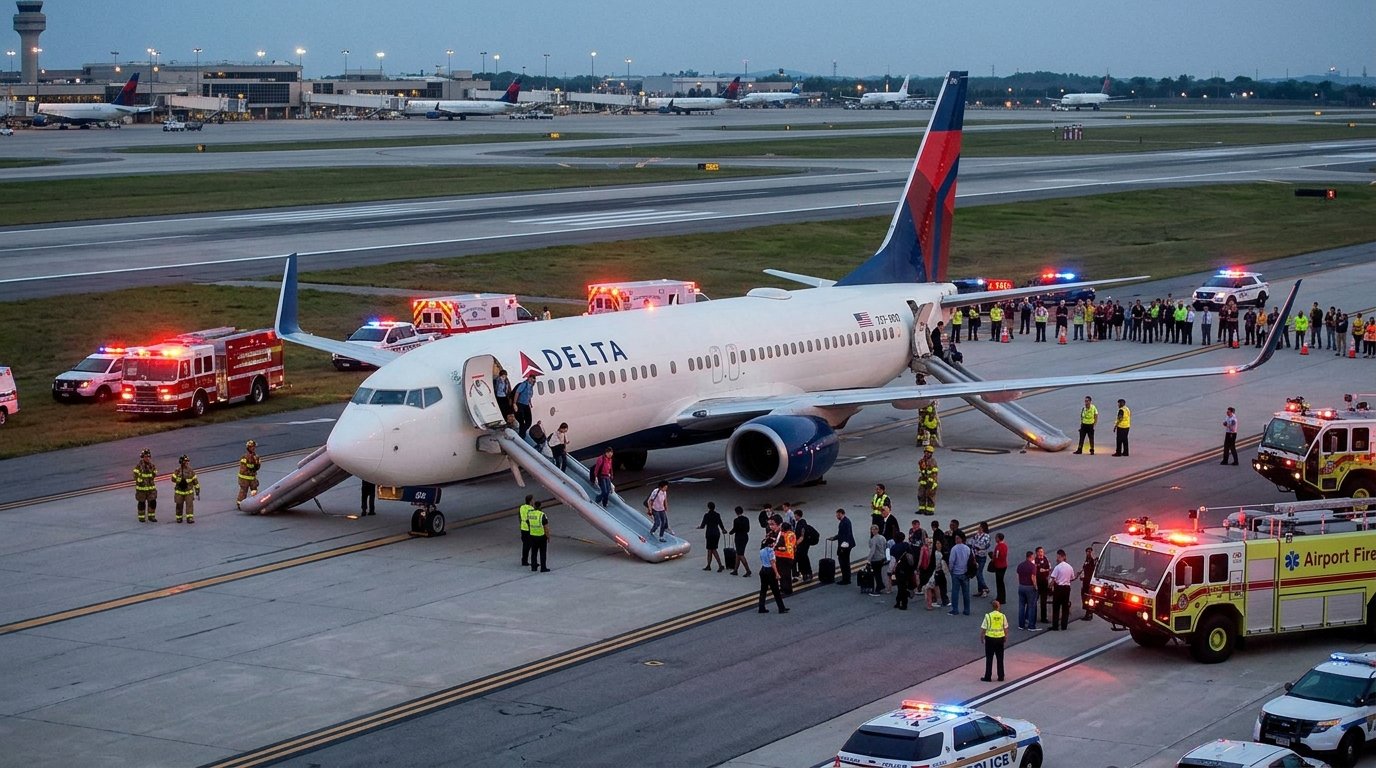
Air travel is one of the safest forms of transportation in the world, but unexpected situations can still happen during a journey. One topic that frequently draws public attention is a Delta flight emergency landing, where an aircraft must land earlier than planned because of a safety-related concern.
When passengers hear terms like “emergency landing” or “flight diversion,” it can sound alarming. In reality, modern aviation crews are highly trained for these situations, and most emergency landings end safely thanks to strict aviation procedures and advanced aircraft technology.
Recent discussions surrounding emergency landings involving Delta Air Lines have increased public curiosity about why these events happen, how pilots respond, and what passengers should expect during such situations.
What Is an Emergency Landing?
An emergency landing happens when a flight crew decides an aircraft should land immediately or earlier than scheduled because continuing the flight may not be the safest option.
This does not always mean the aircraft is in extreme danger. In many cases, the landing is precautionary and designed to prevent small problems from becoming larger operational risks.
Emergency landings can happen at major airports such as:
- Hartsfield–Jackson Atlanta International Airport
- John F. Kennedy International Airport
- Los Angeles International Airport
- Chicago O’Hare International Airport
Pilots choose alternate airports based on safety, runway availability, weather conditions, and maintenance support.
Common Reasons Behind a Delta Flight Emergency Landing
There are many reasons why an aircraft operated by Delta Air Lines may need to land unexpectedly.
Technical or Mechanical Alerts
Aircraft systems constantly monitor engine performance, cabin pressure, hydraulics, navigation systems, and electrical components. If a warning appears, pilots may choose to land immediately for inspection.
Modern aircraft are built with backup systems, so many technical issues are handled safely without serious danger.
Medical Emergencies
Passenger or crew medical emergencies are one of the most common causes of emergency landings. If someone onboard requires urgent medical treatment, the crew may divert to the nearest airport with emergency services available.
Weather Conditions
Severe turbulence, thunderstorms, lightning, strong crosswinds, or heavy snow can force pilots to change routes or land at alternate airports.
Bird Strikes
Bird strikes occasionally occur during takeoff or landing phases. While aircraft are designed to withstand many bird impacts, crews may still perform precautionary landings for safety inspections.
Cabin or Smoke Warnings
Even minor smoke or unusual odor reports are treated seriously in aviation. Pilots follow strict safety protocols whenever cabin conditions appear abnormal.
How Pilots Respond During an Emergency Landing
Pilots undergo years of training to manage emergency situations calmly and efficiently. During a Delta flight emergency landing, crews follow established aviation procedures step by step.
The process usually includes:
- Identifying the issue
- Communicating with air traffic control
- Selecting the safest nearby airport
- Preparing the cabin crew and passengers
- Coordinating emergency services on the ground
In some situations, pilots may transmit “Squawk 7700,” the universal emergency transponder code used to alert all nearby air traffic control systems.
This allows the aircraft to receive immediate priority handling and runway clearance.
Passenger Experience During an Emergency Landing
Passengers often feel nervous when an emergency landing is announced, but airline crews are trained to maintain calm communication throughout the process.
Cabin crew members usually provide instructions such as:
- Remaining seated with seatbelts fastened
- Securing personal belongings
- Following safety commands immediately
- Staying calm during landing procedures
After landing, emergency vehicles may surround the aircraft as a precaution even if the situation is fully under control.
Most emergency landings end with passengers safely exiting the aircraft normally.
Role of Airport Emergency Teams
Whenever a Delta flight emergency landing is declared, airport emergency services prepare immediately.
This can include:
- Fire and rescue vehicles
- Medical response teams
- Airport operations staff
- Maintenance technicians
- Security personnel
Major airports such as Chicago O’Hare International Airport and John F. Kennedy International Airport have specialized aviation emergency units available around the clock.
Aircraft Technology and Aviation Safety
Modern commercial aircraft operated by Boeing and other manufacturers include highly advanced monitoring systems designed to detect problems early.
These technologies help pilots make safe decisions before small technical concerns become serious operational issues.
Commercial aviation safety standards continue improving through:
- Advanced pilot training
- Real-time aircraft monitoring
- Predictive maintenance systems
- Strict federal aviation regulations
- Enhanced emergency response procedures
Because of these systems, emergency landings today are usually controlled and precautionary rather than catastrophic.
Real-Time Flight Tracking During Emergencies
Modern flight-tracking platforms allow the public to follow emergency landings almost instantly.
Services such as:
- FlightAware
- FlightRadar24
show route changes, altitude drops, diversion airports, and live aircraft positioning in real time.
This technology has changed how passengers and aviation enthusiasts follow breaking aviation events.
How Delta Handles Emergency Situations
Delta Air Lines follows strict operational safety procedures whenever an emergency landing occurs.
After landing, the airline typically focuses on:
- Passenger safety and assistance
- Aircraft inspection and maintenance
- Rebooking affected travelers
- Coordinating replacement aircraft if needed
- Providing updates through customer service channels
Depending on the situation, passengers may receive hotel accommodations, meal vouchers, or alternate flights.
Why Emergency Landings Are Part of Safe Aviation
Despite the dramatic language often used online, emergency landings are actually evidence that aviation safety systems work effectively.
Pilots are trained to act cautiously. Airlines would rather land early and inspect an aircraft than continue flying with uncertainty.
This proactive approach is one reason commercial aviation remains one of the safest industries globally.
Final Thoughts
A Delta flight emergency landing may create concern for passengers and attract widespread media attention, but these situations are typically handled with professionalism, preparation, and strict safety procedures.
Whether caused by technical alerts, weather conditions, medical emergencies, or operational concerns, every emergency landing reflects the aviation industry’s commitment to passenger safety above all else.
With experienced crews, advanced aircraft systems, and coordinated airport response teams, airlines like Delta Air Lines continue ensuring that unexpected situations are managed safely and efficiently every day.
FAQs
1. What does an emergency landing mean on a Delta flight?
An emergency landing happens when a Delta aircraft lands earlier than planned because of a technical issue, medical situation, weather concern, or onboard safety precaution. Pilots follow strict aviation safety procedures to protect passengers and crew.
2. Why do Delta flights make emergency landings?
Delta flights may divert because of engine warnings, cabin pressure issues, medical emergencies, severe turbulence, smoke alerts, or unexpected mechanical problems. In many cases, the landing is precautionary and controlled safely.
3. Are emergency landings dangerous for passengers?
Most emergency landings are completed safely. Modern aircraft systems, trained pilots, and airport emergency crews are prepared to handle these situations quickly and professionally.
4. What happens after a Delta flight emergency landing?
After landing, passengers may receive updates from the airline, replacement flights, hotel support, or rebooking assistance depending on the situation. Maintenance teams also inspect the aircraft before it returns to service.
5. Can passengers get compensation after a Delta emergency landing?
Compensation depends on the reason for the disruption, flight route, and airline policies. Some passengers may qualify for refunds, meal vouchers, hotel accommodations, or travel credits.
6. How can passengers track a diverted Delta flight?
Passengers can monitor live updates through flight tracking platforms, airport websites, or the official Delta Air Lines mobile app.
